This piece groups four coastal landmarks in Busan and four Silla heritage sites and traditional villages in Gyeongju, by city. It focuses on locations and facility types, and is intended as reading material — it does not include links to OMNIpass discount partners.
Four Spots in Busan
Busan's registered landmarks include one each in Haeundae-gu, Suyeong-gu, Yeongdo-gu, and Saha-gu. All share a seaside setting, but since they're in different districts, visiting all four in one day requires travel time.
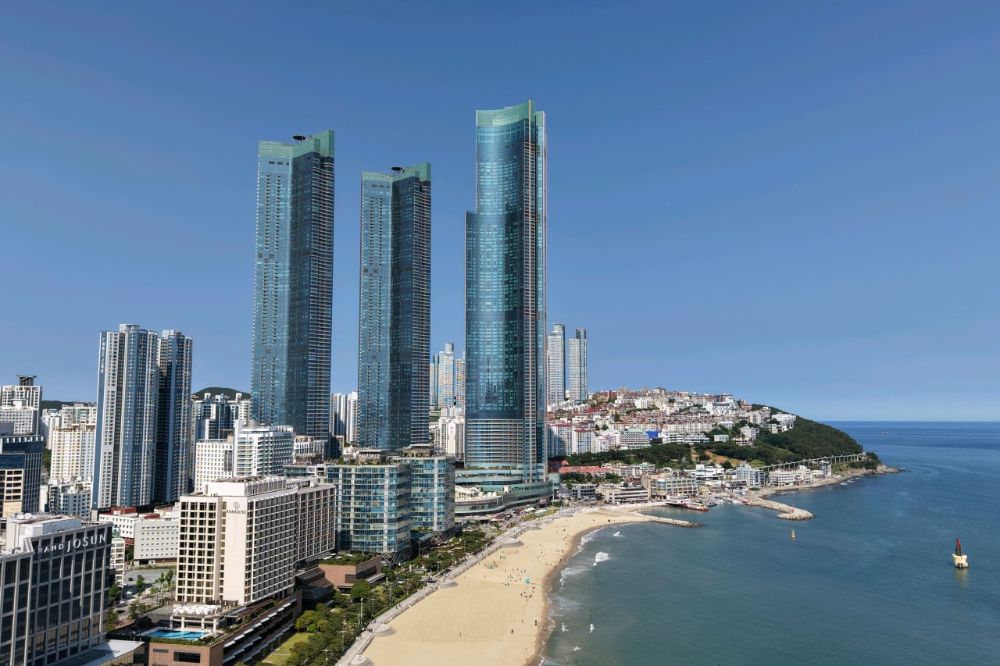
Haeundae-gu, Busan — Beach
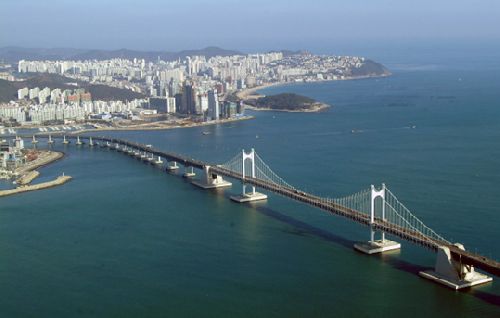
Suyeong-gu, Busan — Sea Bridge
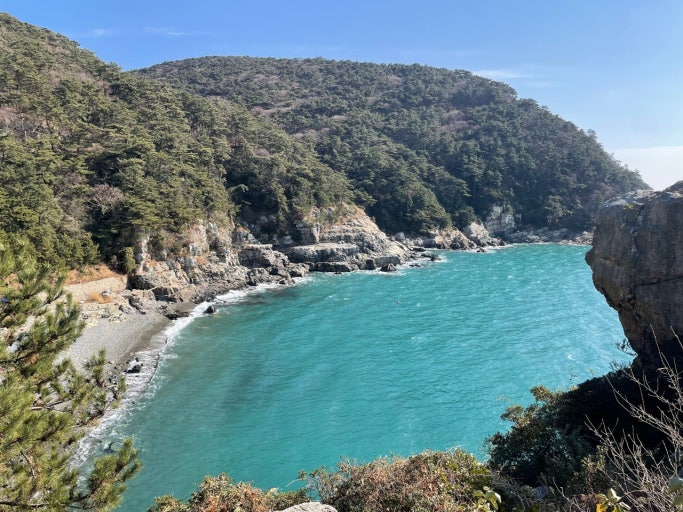
Yeongdo-gu, Busan — Coastal Cliff Park
Saha-gu, Busan — Colorful Hillside Village
Haeundae Beach is a beach in Haeundae-gu. Gwangandaegyo Bridge is registered as a double-deck sea bridge connecting Suyeong-gu with the Centum City area. Taejongdae is a coastal park in Yeongdo and is listed as free of admission. Gamcheon Culture Village is a culture village created by painting color onto a hillside village where refugees once settled.
Four Spots in Gyeongju
Gyeongju's listings include Silla-era heritage sites alongside a Joseon-era noble village. In the registered information, Daereungwon, Seokguram, and Bulguksa are introduced as UNESCO World Heritage sites, and Yangdong Village is also introduced as a UNESCO World Heritage village.
Gyeongju — Silla Royal Tomb Park
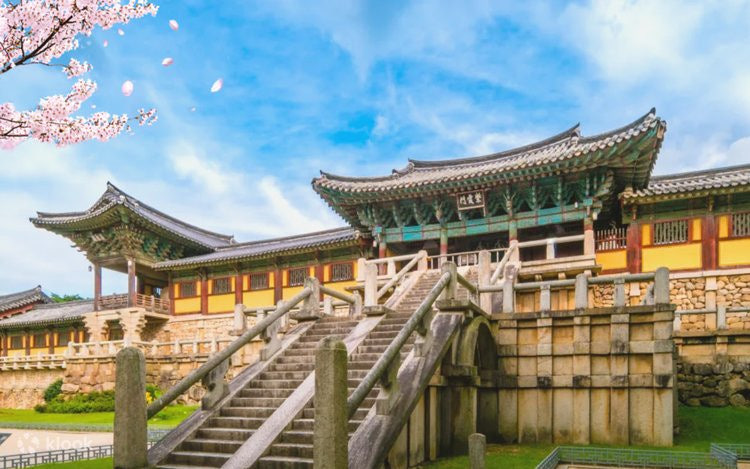
Gyeongju — Silla-Era Temple
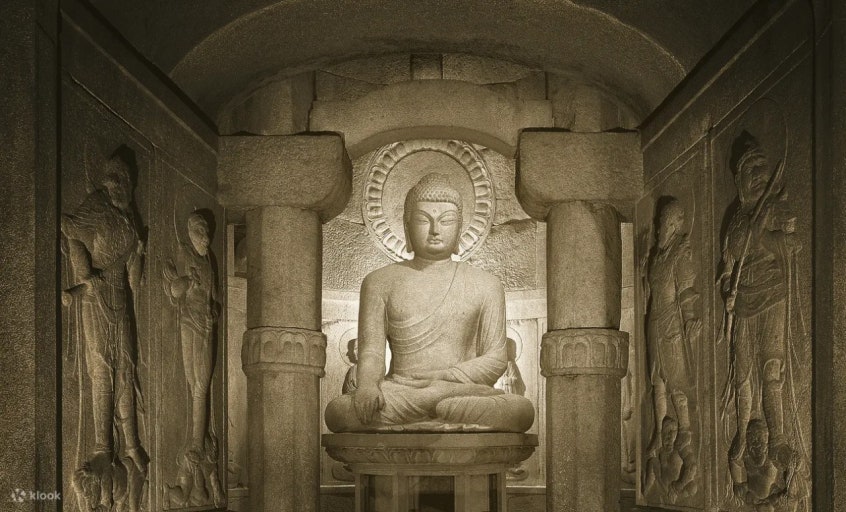
Gyeongju — Granite Grotto Temple
Gyeongju — Joseon-Era Noble Clan Village
Daereungwon is a park where Silla royal tombs are gathered, and Bulguksa and Seokguram are introduced together as Silla Buddhist heritage. Yangdong Village lies away from downtown, so a separate means of transport is needed. Since the temples and village are heritage preservation areas, check restricted zones before visiting.
How the Four Busan Spots Relate Geographically
Haeundae Beach sits on Busan's eastern coast, while the Gwangalli area with Gwangandaegyo Bridge lies on the Suyeong-gu coast to its west. Yeongdo, home to Taejongdae, is an island area to the south of Busan, and Gamcheon Culture Village sits on a hillside in Saha-gu to the west. Since Busan's subway and buses connect its coastal areas, rather than visiting all four in a day, you might consider pairing Haeundae with Suyeong-gu, and Yeongdo with Saha-gu.
The Eras and Character of the Four Gyeongju Spots
Daereungwon is a heritage site with Silla royal tombs, while Bulguksa and Seokguram showcase Silla Buddhist architecture and sculpture. Yangdong Village belongs to a different era, the Joseon dynasty, so it should be viewed separately from the Silla sites. Since Gyeongju's spots split into two eras and characters even within the same city, one approach is to plan the three Silla sites and the one village separately in your itinerary.
What to Check Before Visiting
Among the four Busan spots, Haeundae Beach and Gwangandaegyo Bridge are outdoor facilities whose scenery changes depending on the time of day. Taejongdae requires checking on-site guidance before visiting, and since Gamcheon Culture Village is a residential area, keeping noise down in its alleys is a basic courtesy.
The four Gyeongju spots may have areas with restricted access for heritage protection, and at Bulguksa and Seokguram you should follow the temple grounds' dress code and photography guidelines. Yangdong Village is currently inhabited. At all four spots, walking distances may lengthen depending on the season and weather, so wear comfortable shoes, and check transportation and travel times beforehand via a map service or official guidance.
If you plan to connect the landmarks of both cities in one trip, separate travel time between the cities is required. Since the means of transport and travel time vary by season, this article does not specify them.
Differences When Viewing the Cities Separately
The four spots in Busan are scattered along the coastline, requiring travel within the city, while the four spots in Gyeongju, both inside and outside downtown, are gathered within the same city. Some locations have registered admission fees and some don't, and since amounts may change, they are not listed here. Check each facility's official information for operating hours and closed days.
Sources: Written by OMNIpass editors
OMNImagazine Editorial Team
Places in this article


Next article
More Stories
Korea's Winter Festival Roundup: Five Events Spanning December to February
From OMNIpass's festival listings, we've grouped by region the events whose registered dates fall within the winter months.
Korea's Fall Festival Roundup: Ten Events Starting Between September and November
From OMNIpass's festival listings, we've gathered ten events starting in the autumn months, sorted by region.