To help first-time visitors to Seoul plan their route, this article organizes ten Seoul landmarks from OMNIpass into palaces, hanok alleys, markets, observation facilities, and museums. Only the district and facility type are noted, and this article is for reading only — it does not include links to OMNIpass discount partner stores.
Two Palaces
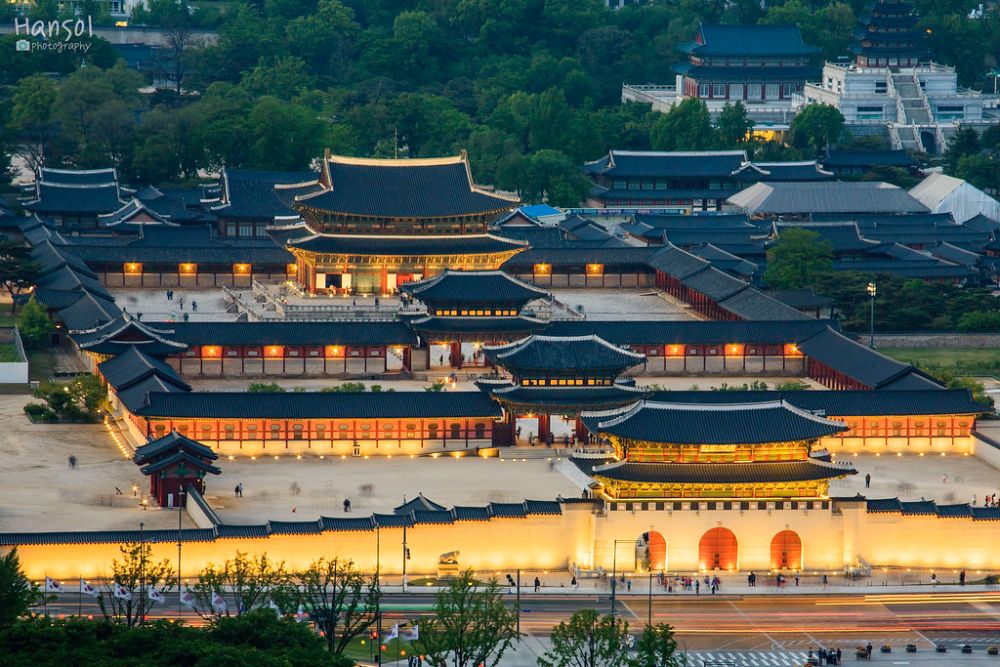
Jongno-gu in Seoul has two Joseon-dynasty palaces registered as landmarks. Gyeongbokgung is introduced as the main royal palace of the Joseon dynasty, while Changdeokgung is introduced as a UNESCO World Heritage Site. Both palaces are in Jongno-gu, so being in the same district, they can be combined into a single day's route.
Jongno, Seoul — main royal palace of the Joseon dynasty
Jongno, Seoul — palace registered as a UNESCO World Heritage Site
Three Hanok Alleys and Villages
Bukchon Hanok Village, Seochon Village, and Ikseon-dong Hanok Street are all in Jongno-gu. Bukchon is registered as an alley cluster of hanok, Seochon as the alley area west of Gyeongbokgung, and Ikseon-dong as a street where ordinary hanok homes have been turned into cafés and shops. All three are meant to be explored on foot, and since residential areas are mixed in, moving quietly through the alleys is basic etiquette.
Jongno, Seoul — hanok alley
Jongno, Seoul — alley west of Gyeongbokgung
Jongno, Seoul — street of shops and cafés in hanok buildings
Market and Fortress Wall Path
Gwangjang Market is a permanent market in Jongno-gu, introduced in its registration as a food-focused market. Naksan Park is a park along the Hanyangdoseong fortress wall path, registered as a spot for night views. The market fits well into a daytime schedule, and the fortress wall path into an evening one.
Jongno, Seoul — permanent market
Jongno, Seoul — park along the fortress wall path
Two Observation Facilities
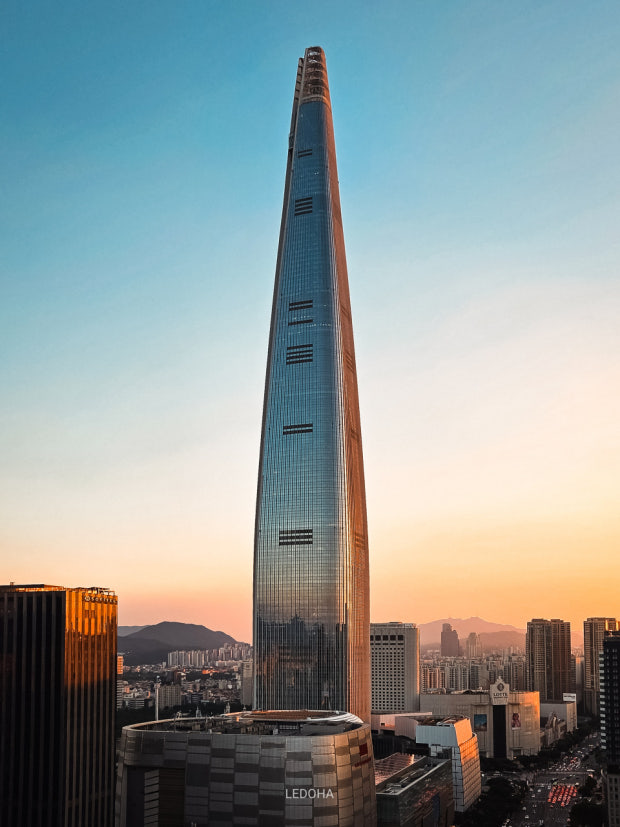
N Seoul Tower, on Namsan Park Road in Yongsan-gu, and Lotte World Tower in Songpa-gu are facilities for looking down over the city from a height. Lotte World Tower is registered as a 555m-tall building. Since the two are on opposite sides of the city, rather than visiting both the same day, it works better to schedule one per day. Admission methods and operating hours should be checked through each facility's official information.
Yongsan, Seoul — observation facility atop Namsan
Songpa, Seoul — observation facility in a 555m-tall building
One Museum
The National Museum of Korea is in Yongsan-gu and is registered as holding about 1.5 million artifacts. Since it's an indoor facility, it's easy to swap into your schedule on rainy or cold days.
Yongsan, Seoul — national museum
How to Read This by Type
Palaces and museums have fixed admission hours, so it's easiest to set your visiting time first and build the rest of the schedule around it. Hanok alleys and markets are street-type spots with no separate admission process, so their timing can be flexible. Observation facilities offer different views depending on the weather, so check the forecast right before your visit. The fortress wall park path may include sloped sections, so consider your footwear in advance.
Beyond these ten spots, OMNIpass's landmark list includes more entries located in Seoul. Examples include Hongdae Red Road, Seoul Forest, Banpo Some Sevit, COEX Starfield Library, Dongmyo, and Bukhansan National Park. This article selected only the ten above to give a short first-visit route, and the remaining entries can each be found on their own detail pages.
Organized by District
Jongno-gu contains Gyeongbokgung, Changdeokgung, Bukchon Hanok Village, Seochon Village, Ikseon-dong Hanok Street, Gwangjang Market, and Naksan Park. Yongsan-gu has Namsan Park Road, home to N Seoul Tower, and the National Museum of Korea, while Songpa-gu has Lotte World Tower. The area labels in this list follow OMNIpass's landmark registration information, and some entries may be listed under a nearby area name rather than the facility's exact district.
For first-time visitors to Seoul, focusing on just one district per day reduces the burden of travel. Trying to visit all seven Jongno-gu spots in one go would make for a long day, so it can be split up — for example, pairing one palace with one hanok alley and one market.
Points to Consider When Planning Your Route
The ten spots are divided into seven in Jongno-gu, two in Yongsan-gu, and one in Songpa-gu. The seven Jongno-gu spots are in the same district and can be grouped into one area, while Yongsan-gu and Songpa-gu require separate trips. Palaces and museums sometimes have fixed closing days, so check official information before visiting.
Sources: Written by OMNIpass editors
OMNImagazine Editorial Team
Places in this article


Next article
More Stories
Korea's Winter Festival Roundup: Five Events Spanning December to February
From OMNIpass's festival listings, we've grouped by region the events whose registered dates fall within the winter months.
Korea's Fall Festival Roundup: Ten Events Starting Between September and November
From OMNIpass's festival listings, we've gathered ten events starting in the autumn months, sorted by region.